
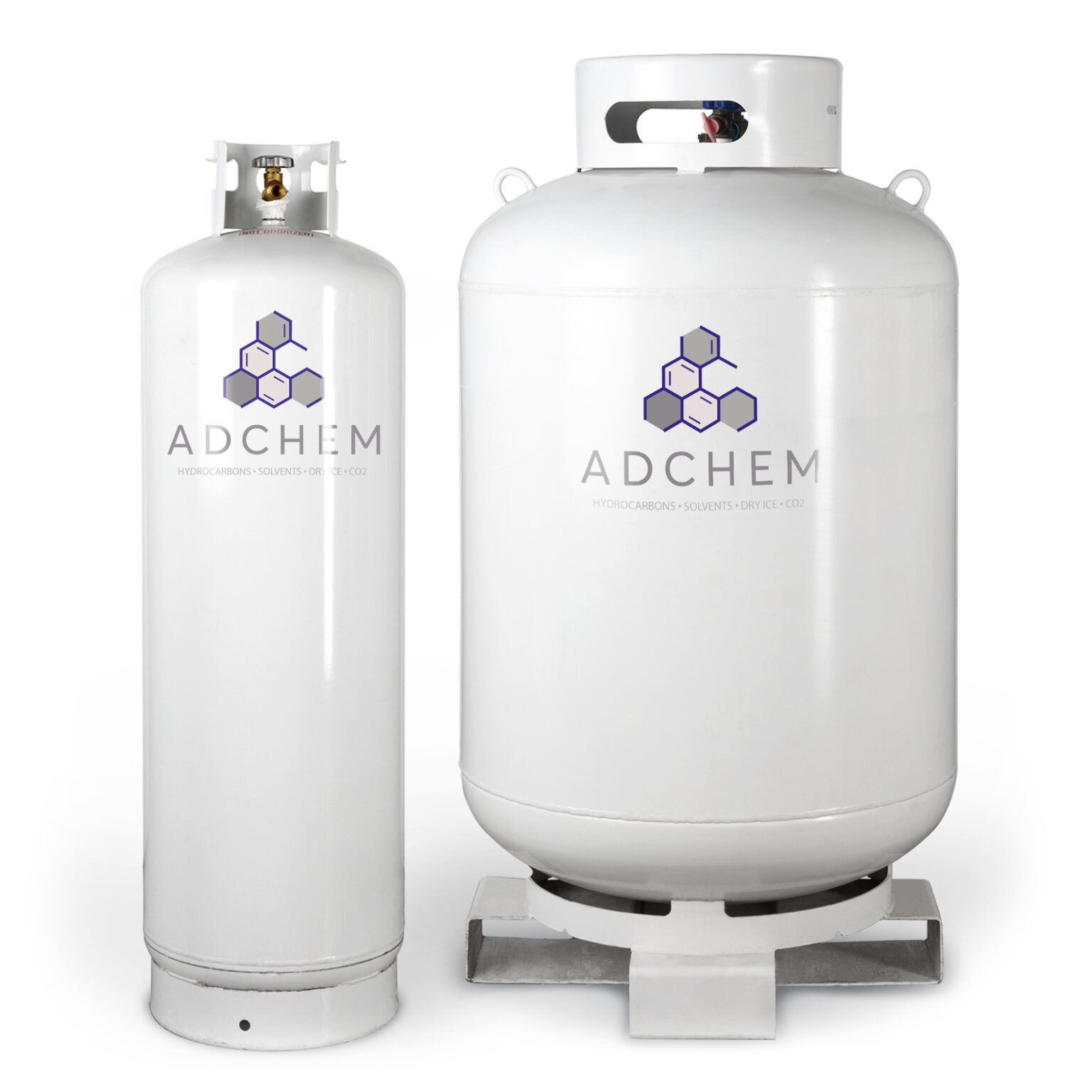
Cannabis extraction is entering a new era where precision, consistency, and process control matter more than ever. Modern manufacturers are moving beyond basic extraction methods and exploring advanced technologies designed to improve efficiency and product consistency. From carefully controlled solvent systems to sophisticated separation and purification processes, the industry is embracing smarter approaches to processing. Even specific formulations, such as a 70/30 blend for extraction, can be incorporated into carefully designed workflows when the process requires a particular solvent balance. The goal is simple: produce reliable extracts while maintaining tight control over every stage of production.
The Evolution of Cannabis Extraction
Cannabis extraction has changed dramatically over the years. What once depended heavily on manual techniques and basic equipment has evolved into a highly controlled industrial process.
Today, extraction facilities can combine specialized vessels, temperature controls, filtration systems, evaporation technology, solvent recovery, and automated monitoring into a single processing workflow. This evolution allows manufacturers to focus not only on extracting valuable compounds but also on creating repeatable processes.
Consistency is especially important as cannabis products become more sophisticated. Small differences in temperature, pressure, solvent composition, or processing time can influence the characteristics of an extract. Next-generation equipment aims to minimize those variations.
What Makes Modern Extraction “Next-Generation”?
Next-generation extraction is not simply about using newer machinery. It is about creating a more intelligent and controlled process.
Precision Temperature Management
Temperature can have a significant impact on extraction and downstream processing. Advanced systems provide tighter temperature monitoring and control, helping operators maintain predetermined processing conditions.
Better temperature management can also be useful during evaporation and concentration, particularly when working with compounds that may be sensitive to excessive heat.
Automated Process Monitoring
Automation is becoming increasingly important in commercial cannabis processing. Modern systems can monitor variables such as temperature, pressure, flow, and processing time.
Instead of relying entirely on manual observation, operators can use integrated controls to monitor the process in real time. This can improve repeatability and make it easier to identify unexpected changes during production.
Advanced Solvent-Based Extraction
Solvent-based extraction remains an important part of cannabis processing, but modern systems are becoming increasingly sophisticated.
Ethanol Extraction
Ethanol is widely used for botanical extraction because of its ability to interact with a broad range of plant compounds. Modern ethanol systems can incorporate controlled extraction, filtration, solvent recovery, and concentration stages.
The next generation of ethanol processing focuses on improving throughput while managing solvent consumption and maintaining consistent operating conditions.
Hydrocarbon-Based Approaches
Hydrocarbon extraction technologies are used in specialized applications and require carefully engineered systems because of the properties of the solvents involved.
Modern equipment emphasizes containment, process control, appropriate ventilation, and safety engineering. Professional facilities must ensure that equipment and operating procedures meet applicable requirements.
Supercritical CO₂: A Controlled Alternative
Supercritical CO₂ extraction has become another notable technology within botanical processing. Under carefully controlled pressure and temperature conditions, carbon dioxide can exhibit properties that make it useful for separating certain compounds from plant material.
One of the interesting aspects of CO₂ extraction is the ability to adjust processing parameters for different extraction objectives. This degree of control makes it attractive for applications where selective processing is important.
However, CO₂ systems can involve substantial equipment investment and require knowledgeable operation. The technology is therefore generally considered as part of a broader processing strategy rather than a universal solution.
Precision Doesn’t End With Extraction
Extracting compounds from cannabis is only the beginning. The material produced during extraction may require additional processing before it reaches its intended application.
Filtration and Clarification
Filtration can help remove suspended plant material and other unwanted particles. Advanced filtration strategies may use multiple stages depending on the characteristics of the extract.
A well-designed filtration process can also support downstream operations by reducing the material load placed on subsequent equipment.
Concentration and Solvent Removal
After extraction, manufacturers may need to reduce solvent content or concentrate the desired compounds. Evaporation and vacuum-assisted processing technologies can provide controlled ways to achieve this.
Modern equipment focuses on maintaining predictable conditions throughout the process rather than relying on simple heating alone.
Purification and Separation
Purification technologies can further refine extracts by separating targeted compounds from other components. Depending on the desired product, manufacturers may use techniques such as chromatography, distillation, or other specialized separation technologies.
The appropriate approach depends heavily on the starting material and the characteristics required in the final product.
Data-Driven Extraction Is the Next Big Step
One of the most significant developments in modern processing is the growing role of data.
Instead of viewing each batch as an isolated production event, manufacturers can collect information throughout the process. Temperature trends, pressure changes, flow rates, processing times, and other measurements can be analyzed to identify patterns.
From Guesswork to Repeatability
Data-driven processing can help operators understand why one batch behaves differently from another. Over time, this information can support process optimization and improve consistency.
Digital monitoring can also make it easier to document production conditions, identify deviations, and maintain appropriate quality-control records.
Designing a Smarter Extraction Facility
Modern extraction facilities increasingly require more than individual pieces of equipment. They need systems designed to work together.
A well-planned facility may integrate extraction vessels, filtration, concentration, solvent recovery, storage, environmental controls, cleaning systems, and process monitoring.
Scalability Matters
A system designed for a small operation may not automatically translate into efficient commercial production. Manufacturers should consider future capacity when selecting equipment.
Modular and scalable systems can provide greater flexibility as production requirements change. This approach can help businesses expand processing capabilities without completely redesigning their workflow.
Safety and Compliance Remain Essential
Advanced technology does not eliminate the need for proper safety practices. In fact, sophisticated extraction environments often require even greater attention to equipment specifications, operator training, facility design, ventilation, electrical requirements, and solvent handling.
Every facility should operate according to applicable laws, regulations, and safety standards. Proper procedures and trained personnel are essential components of responsible cannabis processing.
The Future of Precision Cannabis Extraction
The future of cannabis extraction is moving toward greater control, automation, and process intelligence. Equipment manufacturers are increasingly focused on systems that can deliver reliable performance while reducing waste and improving operational efficiency.
The biggest change may not be a single revolutionary extraction technique. Instead, it will be the combination of technologies working together: controlled extraction, advanced separation, automated monitoring, efficient solvent recovery, and data-driven process optimization.
As the industry matures, precision will become an increasingly important differentiator. Producers that understand their processes at every stage will be better positioned to create consistent manufacturing workflows.
Cannabis extraction is no longer simply about removing compounds from plant material. It is becoming a sophisticated science of controlled processing, where equipment, data, engineering, and process knowledge come together. The next generation of extraction technology is helping transform that vision into a more precise and repeatable reality.