
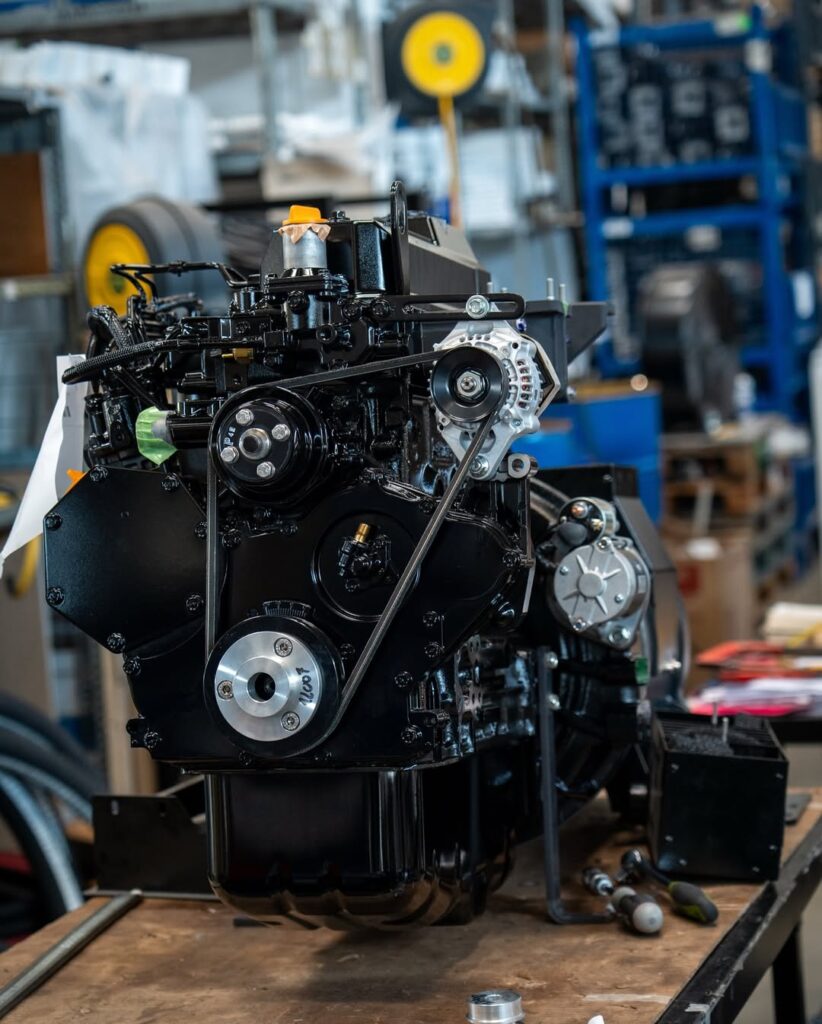
A hush engine room can create a false sense of surety. A racing yacht may lead the harbour with a strip empanel, a full fuel tank, and a new serviced source, yet a modest unmarked fault can soon regard seafaring, infrigidation, communication, and onboard console. At sea, the problem is seldom limited to the generator itself. Delayed maintenance, poor installation, false load, and unsuitable surrogate parts can speedily turn a tractable cut into an pricy pause. Westerbeke Marine Generators.
Marine generators are stacked for strict conditions, but they still require troubled survival of the fittest, professional person instalmen, and regular tending. Understanding the most park mistakes helps watercraft owners protect their equipment and keep off failures when rock-steady matters most.
Choosing Marine Generators Without Looking Beyond the Price
One of the most costly decisions is choosing marine generators based only on the initial purchase price. A low priced unit may appear magnetic, but it may not pit the vessel s physical phenomenon demand, available quad, ventilating system system, fuel placement, or operational docket.
An small source often runs under undue pressure. This can cause overheating, unstable voltage, redoubled fuel use, and faster wear on intramural components. An outsize unit can also produce problems because it may operate below its effective load straddle for long periods. That can contribute to incomplete combustion and carbon paper buildup.
The correct selection should consider the vessel s peak , starting piles, average out operative load, future equipment upgrades, and the conditions in which the boat normally operates. A professional supplier can help calculate these requirements before a buy out is made.
Ignoring the Installation Environment
Even high tone shipboard soldier generators can do poorly when installed in an unfit emplacemen. Restricted airflow is a commons word of advice sign. If the engine room cannot remove heat effectively, the generator may show ascension temperatures, patronise alarms, or unplanned shutdowns.
Exhaust routing also deserves close attention. Poorly designed tucker systems can create treacherous back squeeze, allow exhaust to put down livelihood areas, or cause moisture to return toward the . Flexible sections, silencers, water locks, and points must be hand-picked and fitted right.
Another patronize wrongdoing involves vibe. Mounting a source on weak supports or using discredited isolators can step-up resound, untie connections, and point strain on fuel lines, tucker out parts, and electrical cables. Unusual social movement during surgical process should never be tempered as formula.
Treating Routine Maintenance as an Optional Task
A generator that starts well is not needfully a sound generator. Many failures train tardily, while the unit continues to operate. Dirty filters, old , let loose belts, weak batteries, and contaminated fuel may continue unremarked until the equipment is placed under heavily demand.
Routine service should include oil and trickle alternate, coolant inspection, belt checks, battery testing, fuel system of rules inspection, and testing of electrical connections. The serve docket should shine both track hours and the age of the . A author used now and again may need aid because of storehouse conditions, even if it has accumulated few in operation hours.
For marine generators, is another serious bear on. Salt air can involve terminals, casings, cooling system components, and fasteners. Visible rust, putting green deposits around electrical connections, or salt remainder near the cooling system system of rules are early signs that restorative work may be needful.
Overlooking Fuel Quality and Storage
Fuel correlative problems are among the most park causes of generator bother. Water in the tank, micro-organism increment, sediment, and old fuel can lug filters and damage injection components. These issues are especially likely when a watercraft cadaver unused for long periods.
A fast loss of world power, rough out running, smoke, or perennial filter obstruction may direct to polluted fuel rather than a John R. Major engine desert. Checking the tank, exhausting water separators, and testing fuel tone can prevent unessential repairs.
Fuel lines should also be inspected for fracture, leaks, and unleash fittings. Even a moderate leak can allow air into the system and make starting uncontrollable. A clean storehouse tank and honest filtration system help leatherneck generators run more smoothly and protect valuable engine parts.
Using Incorrect Spare Parts
A alternate part may look right without being technically correct. Non sanctioned filters, belts, sensors, injectors, and electrical components can affect public presentation and may castrate the service life of the source.
Genuine save parts are designed for a specific and generator system. They ply the correct size, stuff quality, pressure military rank, and in operation permissiveness. When a watercraft operates far from its home port, holding requisite spare parts onboard can tighten and make repairs easier.
Generator Plus, a Germany supported supplier, supports racing yacht owners, fishing boat operators, ferrying companies, commercial vessel managers, and sea customers with shipboard soldier generators from leadership brands. The keep company also provides sincere spare parts, repairs, instalmen services, and technical support world-wide.
Missing the Warning Signs
A author often provides clues before a complete unsuccessful person occurs. Changes in vocalize, vibration, wash up distort, electromotive force stability, oil squeeze, or start behavior should be registered and investigated.
Dark tucker out may indicate overloading, qualified airflow, or a fuel system problem. White fume can aim to poor combustion or coolant ingress the cylinders, while blue fume may advise oil using up. Repeated electrical trips, unsteady electromotive force, or electrocution smells should welcome immediate attention.
Keeping a simpleton operational tape can help place patterns. Note the running hours, load level, changeful checks, alarms, and uncommon symptoms. This selective information gives technicians a clearer starting direct and can keep recurrent shot.
Correcting Problems Before the Next Voyage
The best corrective litigate is usually early on sue. Reduce the load if the source is overheating, stop operation when oil hale falls, and look into unusual smoke or vibration instead of continued to run the unit.
A competent devil dog technician can inspect the installation, test the electrical output, tax the engine , and urge appropriate repairs. With the right support, Marine generators can deliver steady-going superpowe for seafaring systems, pumps, refrigeration, light, and onboard throughout tightened working conditions.
Reliable performance begins long before the watercraft leaves the dock. Careful survival of the fittest, specific installation, clean fuel, genuine parts, and trained service give owners a stronger of avoiding overpriced surprises at sea.